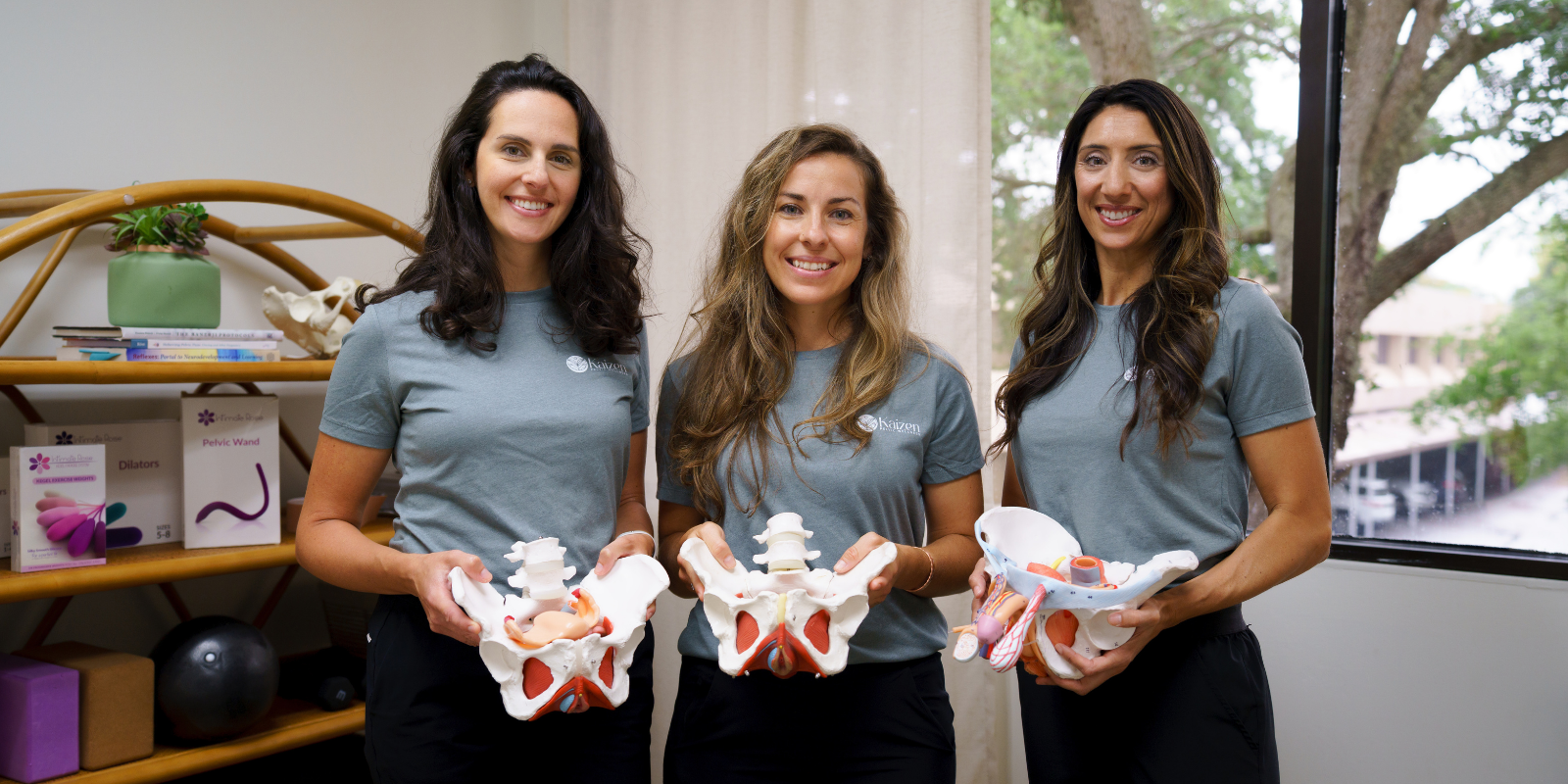
Leaking when you sneeze, a feeling of heaviness in your pelvic area, and discomfort during intimacy are common postpartum experiences. But they are also treatable ones. Postpartum pelvic floor therapy is designed to address the pressure, weakness, and discomfort that can follow pregnancy and childbirth.
Through this type of postpartum physical therapy, you can receive the kind of care that truly makes a difference. At Kaizen Pelvic Wellness, our physical therapy services are here to help you regain your strength.
What Is Postpartum Pelvic Floor Therapy?
The pelvic floor is a group of muscles and ligaments that form a hammock-like base at the bottom of your pelvis. These structures support your bladder, uterus, and bowel, and play a central role in bladder and bowel control, sexual function, core stability, and posture.
Postpartum pelvic floor therapy is a specialized form of physical therapy that targets pelvic health issues following childbirth. Whether you delivered vaginally or by cesarean section, pregnancy places significant demands on the pelvic floor. Therapy helps restore strength, coordination, and function during the postpartum recovery period.
How Do Pregnancy and Childbirth Affect the Pelvic Floor?
During pregnancy, the pelvic floor bears the increasing weight of a growing baby for months. During vaginal delivery, those muscles stretch dramatically, sometimes resulting in tears or nerve injury. A C-section spares the pelvic floor from that stretching but does not spare it from the demands of a full-term pregnancy.
Vaginal Birth
During the pushing stage, the pelvic floor muscles and surrounding tissues stretch to many times their resting length. This can result in:
- Pelvic organ prolapse
- Muscle overstretching and weakness
- Perineal tears or episiotomies
- Urinary and bowel changes
- Nerve injury
C-Section Birth
A cesarean section is a major abdominal surgery involving recovery through multiple layers of tissue. Common effects include:
- Abdominal scar tissue
- Core and pelvic floor disconnection
- Numbness and altered sensation
- Urinary and bowel changes
Signs You Can Benefit from Postpartum Pelvic Floor Therapy
People seek postpartum pelvic floor therapy for a range of reasons, including:
- Urinary leakage or incontinence
- Pelvic pain or pressure
- Perineal tearing during childbirth
- Core weakness or diastasis recti
- Constipation or bowel changes
- Back, hip, or pelvic pain
- Cesarean scar sensitivity after six weeks
- Pain during intercourse
Do I Need Postpartum PT Even If I Feel Fine?
Postpartum pelvic floor therapy isn’t only for people managing obvious symptoms. Pregnancy and delivery can leave behind changes that are subtle, gradual, or easy to dismiss as normal. Changes like minor leakage, mild pelvic heaviness, or shifts in core strength are common and addressable.
At Kaizen Pelvic Wellness, our pelvic floor physical therapists can assess:
- Muscle coordination and tension: Some postpartum pelvic floors are too tight, not just too weak.
- Core and pelvic alignment: This improves how the deep core, diaphragm, and pelvic floor are working together.
- Scar tissue mobility: This is particularly relevant for perineal tears, episiotomies, or C-section incisions.
- Early signs of prolapse or pressure: These signs can be subtle and easy to overlook without a trained assessment.
When to Start Postpartum Pelvic Floor Therapy
Most people can begin postpartum pelvic floor therapy around 4 to 6 weeks after delivery, following clearance from their healthcare provider. If you are experiencing discomfort in the early weeks, there are gentle ways to begin supporting your recovery sooner.
Even if you are months or years beyond your delivery date, it is not too late to seek care.
What to Expect During Postpartum Pelvic Floor Therapy at Kaizen Pelvic Wellness
Your care begins with a thorough understanding of your birth experience, your symptoms, your goals, and your lifestyle. No two postpartum recoveries are the same, and your treatment plan will reflect that.
Our treatment modalities include:
- Pelvic floor exercises: Targeted movements to rebuild strength, reduce pain, and improve bladder and bowel control
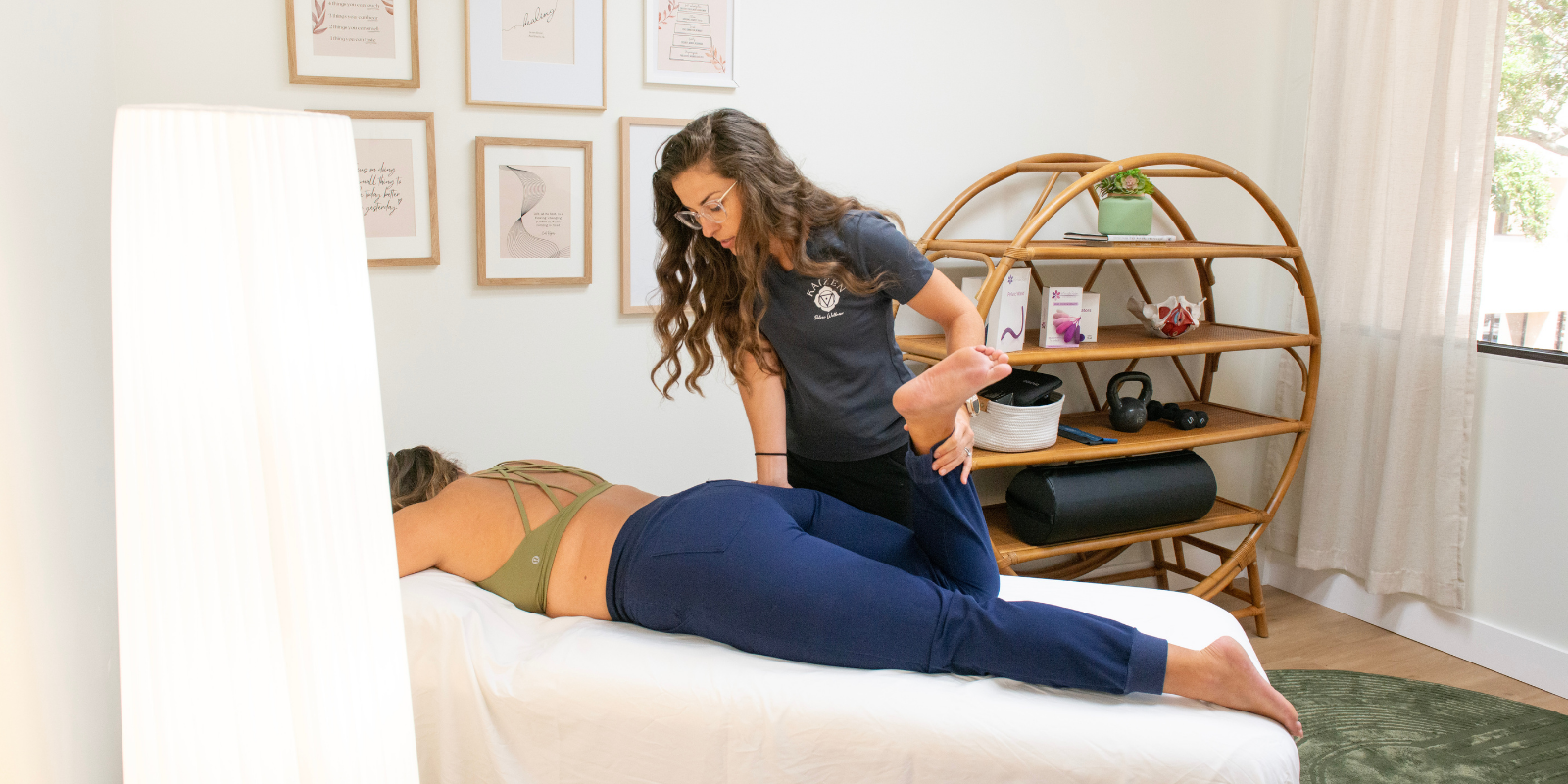
- Manual therapy: Gentle, hands-on techniques including soft tissue massage, myofascial release, and scar mobilization
- Breathing techniques: Instruction on using breath to manage intra-abdominal pressure and restore coordination between the diaphragm, core, and pelvic floor
- Biofeedback: Real-time feedback on pelvic floor muscle activity to make exercises more precise and effective
- Cupping: Soft silicone cups are used to decompress tissue, improve circulation, and release fascial tension around scars or areas of tightness
- Scraping: A soft-tissue technique to break up adhesions, reduce tension, and improve mobility in targeted areas
- Craniosacral therapy: Light-touch techniques to release tension in the cranial and spinal system and support nervous system regulation
- Kinesiology taping: External support for muscles, joints, and connective tissue to reduce swelling, improve posture, and aid movement during recovery
- Education: Guidance on posture, movement patterns, and safe return to exercise and daily activity
Postpartum Pelvic Floor Therapy in Palm Beach Gardens
At Kaizen Pelvic Wellness, we take the time to understand your full picture, including your birth experience, your symptoms, and your goals, and build a care plan around that. If you have questions or are ready to get started, we are here for you.